SCHOLARSHIPS & AWARDS

Articles
OMT alumni Dr Timothy Kuiper on what drives poaching and what works to curb it
What drives poaching and what works to curb it?


Research Report



Featured
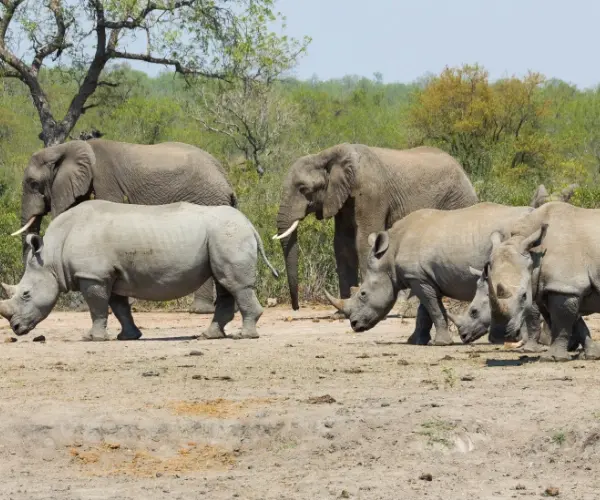
The poaching of elephants and rhino to feed the global illegal wildlife trade (IWT) is fuelled by a complexity of system-level factors such as socio-economic inequality, corruption, and consumer demand. Tackling the trade has involved a plethora of strategies from militarised anti-poaching and advanced camera detection technologies to community-based responses and demand reduction.
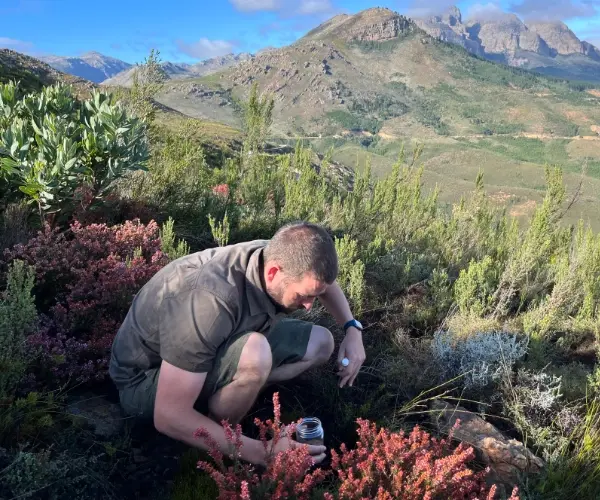
Supported in part by the Oppenheimer Memorial Trust (OMT), Dr Timothy Kuiper of the University of Cape Town Department of Statistical Sciences and the Department of Biology at the University of Oxford, studies these complex drivers of and responses to wildlife crime. What follows is a summary of the high-level results of two recent research projects, delving into the drivers of Africa-wide elephant poaching, and interventions to reduce rhino poaching in the Greater Kruger, respectively.
Driver of elephant poaching across Africa
Illegal killing for ivory continues to threaten African elephants. To help inform responses to this threat, Dr Kuiper and colleagues (1) used criminology theory and literature evidence to generate hypotheses about factors that may drive, facilitate, or motivate poaching, (2) identified datasets representing these factors, and (3) tested those factors with strong hypotheses and sufficient data quality for empirical associations with poaching.
They used standardised monitoring data on 10,286 illegally killed elephants detected at 64 sites in 30 African countries (2002-2020). The results revealed strong evidence to support the hypotheses that the illegal killing of elephants is associated with poor national governance, low law enforcement capacity, low household wealth and health, and global ivory prices. Reducing poaching must inevitably involve addressing wider systemic challenges of corruption, human development, and consumer demand.
The full scientific article is available here, as well as coverage of the article by the Economist and National Geographic. This work was commissioned by the programme for Monitoring the Illegal Killing of Elephants, who provided expert guidance throughout.
What works against Rhino poaching?
Drivers of biodiversity decline are well understood but evaluations of what works to stem this decline are rare. In a project initiated by the Greater Kruger Environmental Protection Foundation, reserve managers and other partners, the team collated five years of monthly data across eleven reserves in South Africa to evaluate the cost and effectiveness of several interventions designed to reduce rhino poaching (advanced camera technologies, tracking dogs, ranger density, management removal of horns, and others). Dr Kuiper empirically tested the strength of evidence for expert-generated hypotheses about the causal mechanism behind each intervention.
In total, 1764 rhino were poached, and annual poaching rates varied 0-35% across reserves. A minimum of $76 million was spent on rhino protection between 2017 and 2021 ($3118 per rhino per year). Dehorning was the only intervention to show strong statistical evidence for effectiveness (associated with a 75% reduction in poaching from pre-dehorning levels). While other interventions were successful by intervention-specific measures (e.g., AI detected >100 poacher incursions, and tracking dogs helped achieve >600 arrests), they showed no clear relationship with poaching.
Unlike dehorning, other interventions were mostly reactive (detecting and arresting poachers) and susceptible to being circumvented via insider involvement with criminal syndicates. Interventions were also at the mercy of larger drivers and facilitators of wildlife crime, such as socio-economic inequality, poor governance, and horn demand.
The full public report is available here, and the results are currently being prepared for publication in a scientific journal. This work was supported primarily by the Rhino Recovery Fund.
With thanks to the OMT
The OMT generously supported Dr Kuiper through a postdoctoral support and research expense grant (2021-2022). The funds enable essential project travel for field work, equipment purchases, and conference travel to deliver project results to key stakeholders.
Research Report


Featured
+27 (0)11 551 9500
Ground Floor
The Reserve
54 Melville Road
Illovo, 2196
Johannesburg
South Africa
Our Focus Areas

.png)
© 2023 The Oppenheimer Memorial Trust
Terms of Service | POPIA